Showing posts with label surface. Show all posts

Tuesday, May 16, 2017

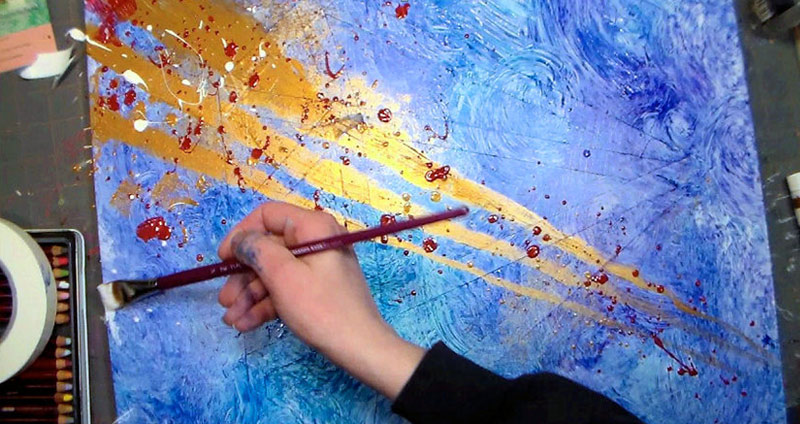
The Best Surfaces For Acrylic Painting

Choosing which surface to paint on is as important as selecting the art medium. And for those who want to use acrylic as material, the painting surface should not be too greasy nor glossy. Here are some of the best ones to use:

Image source: craftsy.com


Canvas

The most common surface used by artists, canvas is also an ideal choice for acrylic painters because of the ease of working on it coupled with its affordability. Acrylic also does not degrade the fibers of canvas as time passes, which means that there is no more need to prime the canvas.

But because linen canvas has a smooth, stiff surface, it is not that recommendable for acrylic painting. It is better to opt for a raw cotton canvas.

Paper

Paper is another perfect painting surface for acrylic because of its texture. Take note, however, that acrylic contracts when it dries, rendering thin paper impractical. The paper’s edges can be secured by applying removable tape on the edges, preventing it from wrinkling or warping too much. A thicker type of paper can also be used.

Image source: jerrysartarama.com


Board

Initially introduced to facilitate painting outdoors, artists have also started to prefer art boards even when indoors as it can be convenient for some. Examples of art boards that are ideal for acrylic painting are canvas boards, museum boards, fiber boards, and wooden boards.

Vijaya Boggala is a medical abstract writer who has an affinity for the arts. He enjoys oil and acrylic painting, and is currently developing his photography skills. Learn more about him by checking out this link.



Thursday, April 20, 2017

Understanding The Different Surface Types In Tennis

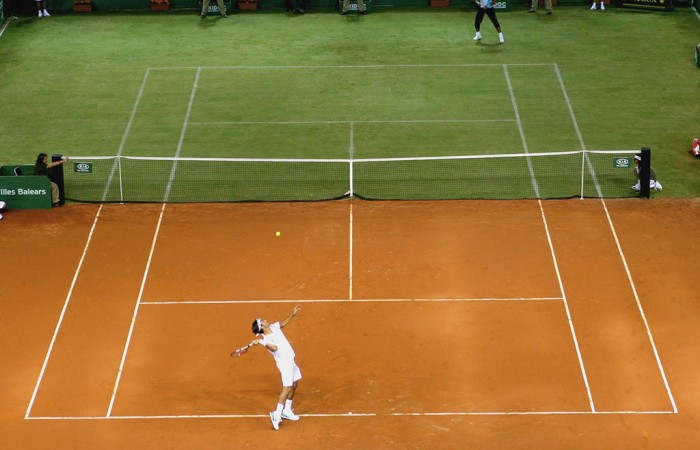
Throughout the year, tennis tournaments are held on three different surfaces that test the players’ mettle in distinct ways and make seasons ever more exciting for fans. The three surface types are the following:
Image source:tennis.com.au


Hard court

The most common playing surface in both professional and recreational tennis, hard courts are usually made from concrete, asphalt, or synthetic layers such as rubberized carpets. Hard courts are described as a “democratic” surface because it gives players of varying playing styles equal opportunity to excel. The surface gives the ball a predictable bounce and promotes a fast game pace.

Grass

Grass was the original playing surface in tennis. But because it is difficult and expensive to maintain, grass courts are rare nowadays and the grass-court season lasts for just six weeks in a year.

The bounce and pace of the games on grass courts depend on the weather (cold days mean heavier balls and slower games while warm days result to lighter balls and faster games) and how well-maintained the grass is.

Image source:duraplaycourts.com
Clay

In clay courts, the playing surface is sprinkled with crushed mineral aggregates, such as shale, brick, stone, or basalt. It creates a slow game, high bounce of the ball, and longer rallies that favor players who boast strong groundstrokes and great stamina. Clay courts are also considered the most physically demanding among the surface types.

Greensboro, NC resident Vijaya Prakash Boggala enjoys watching live sports, such as tennis and cricket. For more articles about these sports, subscribe to this blog.